d 1 Accent 2">

Sit Less and Move More.


We sit way too much. Many of us have desk jobs where we sit for 8 to 9 hours a day. After we leave the office, we sit in our car to run errands. We follow that by sitting down to eat dinner. Our day ends by sitting on the couch to unwind by watching some television.

Many of us will be sitting a good 12 to 15 hours each and every day. Unfortunately the research shows that long hours of sitting can lead to obesity, heart disease, diabetes, and even early death. Don’t be fooled that your workout is enough movement. You can still be active and sedentary.

How can you add more movement to your day? First, think about all the times you find yourself sitting during the day. Then come up with a creative way that you can get out of the seat and move your feet.

Here are a couple of examples:

Instead of driving everywhere, jump on your bike. The picture above is of the bike I use to go to work or run errands. Bike riding is great exercise, greener transportation and a great stress relief.

We spend a lot of time at work sitting in front of the computer or the phone. Prop your laptop on a bookshelf to create a standing workstation. You can also purchase a sit-stand workstation you can adjust throughout the day. Get a headset and stand during phone calls.

Walk during your lunch break. Walk to the coffee shop, the mailbox, and the dry cleaners. Get your errands done on foot or just enjoy a stroll outside.

Take a movement break every hour. Do some desk push-ups, squats or walk the stairs. Need to communicate with a coworker? Don't email, walk over and talk to them.

Human beings are meant to move, not sit in chairs all day. I want to challenge you to incorporate more movement into your day. I'd love to read your comments how you move more and sit less.

Have You Had Your Prebiotics Today?


Prebiotics and resistant starch may be the missing link to your digestive health. Indigestible fibers that allow healthy bowel flora to proliferate and thrive are often called prebiotics. They are also known as resistant starches, because they are resistant to human digestion. I recently had a client call the addition of resistance starch to her diet, “the missing link my body needed”.

A starch that resists digestion and reaches the large intestine becomes food for the healthy bacteria in the large intestine. These bacteria can break down and “feed on” the resistant starch thus providing the friendly bacteria with the fuel they need to survive.

Imbalance of the quantity and type of bacteria species present in the gut contributes to gastrointestinal illness, blood sugar imbalance, obesity, mood disorders, and immune system challenges.

Green unripe bananas and plantains are one of best sources for prebiotic fiber content with 27 to 30 grams of fiber in one medium banana. Green bananas are essentially inedible. They are most easily incorporated into diet by blending into a smoothie.

One mistake frequently made incorporating prebiotic fibers from bananas is consuming bananas that are too ripe. Once the banana ripens the resistant starch is degraded and become a digestible starch. Thus, no longer a good prebiotic fiber source. In fact, the riper the banana becomes the higher the glycemic (blood sugar) response.

It can be difficult to find bananas that are very green. I made several trips to my local grocery store to find these bowel flora champions. I find it helpful to ask the produce clerk to take a look at the shipment that just arrived, noting the day the shipment arrives, for the best chance to gobble up these green beauties.

In an effort to keep green bananas green I tried a few strategies. One that sounded promising was wrapping the end of the banana to prevent the ethylene gas, which ripens the fruit, from dissipating. You can see from the image this clearly did not work. After a mere two days the green bananas were no longer green. What I found works best is placing the green bananas in the fridge. This halts the ripening process. The skin of the banana will turn brown, which is normal, but the fruit inside is still good. I’ve kept bananas in my fridge for up to 8 days and they hold up well other than the brownish black discoloring that develops on the skin. The banana will be firm and require a knife to cut the skin off the banana.

If you’d like to learn more about prebiotics and strategies to support resolution of common gastrointestinal complaints read the recently release Cureality Guide to Healthy Bowel Flora by Dr. Davis. This guide is one of the many valuable resources available exclusively to Cureality.com members.
---Lisa Grudzielanek, MS, RDN,CD,CDE
Cureality Nutrition Specialist

Something is Better Than Nothing


This past weekend I attended a fitness conference with an amazing lineup of presenters. Even after 11 years in the fitness industry, I love attending these events. I’m a lifetime student always learning more and honing my craft.

I went to a presentation by Al Vermeil about joint mobility, not knowing anything about him. To my surprise, Al was the strength and conditioning coach for the Chicago Bulls and the San Francisco 49ers the years these teams won championships in their respective sports. That’s a pretty impressive resume.

Al was a great presenter, full of fun and practical advice. During his presentation, Al said the following statement:

“Every time you miss a workout, the next one is easier to miss.”

This statement really hit home because I’ve seen this time and time again working in the fitness industry and in my own life. One workout is missed, then an entire week of workouts are missed, then it’s been an entire month of never setting foot back into the gym.

It’s easy to get thrown off your workout routine when life gets busy and days get long. So what do you do? Do you just trash your workout plan?

The all or nothing attitude is common when it comes to making health changes. Either you’re following your plan 100% or you not. I’m here to tell you that doing something is better than nothing. Doing part of your workout or a mini workout is better than missing an entire workout.

The other day I had the choice to do something or nothing. I had a full day of work meetings, video, and family commitments. Here is what happened. I did shorter variation of my joint mobility routine. I followed that with a quick kettlebell circuit of 25 kettlebell swings, 12 kettlebell overhead presses, and 12 kettlebell goblet squats. I did three rounds of this circuit. That’s it! The following day, I got back to my regular exercise routine.

Be consistent with movement and you’ll always see improvements. That’s the magic of exercise. You'll get better if you just do it.

What’s the Problem with My “Healthy” Bowl of Oatmeal?


Food manufacturers have clever ways to market foods to us. Unfortunately, many foods that have a reputation for being healthy are no more than junk food disguised as a healthy food choice. I commonly see people under the influence of a “health halo” effect. This is due to strategic marketing efforts. People overestimate the nutritional value of a food that is labeled “good for you” or they underestimate the negative impact of a food because it contains a healthful ingredient, like flaxseed or fiber. In fact, a recent study from the University of Houston found that terms on food labels such as antioxidants, all-natural, and gluten-free often are used to give an otherwise standard food a "healthy" halo, and influence consumption from the well- intended consumer.

Case in point-- oatmeal. We’ve all heard about the cholesterol lower benefits from soluble fiber contained in oatmeal. It’s blasted all over packages with a paid endorsement from The American Heart Association. However, that’s not the whole story. Most people enjoy a cup of oatmeal with one to two tablespoons of added sugar and fruit such as a ripe, yellow banana. In other words, let’s enjoy a bowl of “send my blood sugar through the roof” high glycemic oatmeal. The glycemic index of oatmeal is 55, and instant oatmeal is 83. Top that with more table sugar, glycemic index 58-65 and better yet top that with a high glycemic, ripe banana with a GI of 62.

Preparing one packet of regular instant oatmeal with one tablespoon of sugar and a medium ripe banana five days per week would result in the sugar equivalent of more than 5 1/2 cups of sugar per month!

Furthermore, the story many Americans are missing is all of that sugar intake, from their so-called “healthy” bowl of oatmeal, actually raises small-dense LDL cholesterol particles, increases blood sugar and contributes to insulin resistance, faulty gut flora, and belly fat.

How do we improve upon our bowl of oatmeal? Enjoy a bowl of hot coconut flaxseed cereal, eggs any variety of ways, or last night’s leftover salmon and vegetables.

The Cureality program provides tools, guidance, and support that does not follow the party line but rather offers nutrition solutions that address the underlying causes for proliferation of many chronic diseases.

Power in Numbers


In his book, The Wisdom of Crowds, author James Surowiecki begins with the story of an ox judging competition in which 800 people—not ox experts nor breeders, just ordinary people attending a county fair—were asked to guess the weight of the ox. The competition was conducted by a scientist, Francis Galton, who held a low opinion of the intelligence of the average person, remarking that “the stupidity and wrong-headedness of many men and women being so great as to be scarcely credible.” He hoped to prove, by examining the various guesses, that the average person had no idea of how to judge the real answer. After all participants casted their written votes, Galton tallied up the total and averaged the result: 1,197 pounds—just one pound off from the real weight of 1,198 pounds. Few individuals actually guessed the correct weight themselves but, when the opinions of many were combined, the result was near-perfect.

Crowds can also be a source of irrational behavior, panic, and stampede. Witness any modern football or soccer game, for instance, in which fights break out over an issue as minor as a disputed call or a heckle. Or go back through history to the countless events when mass hysteria ruled, such as the Salem Witch Trials or Orson Welles’ War of the Worlds radio broadcast.

Let’s put aside examples of mass emotional chaos of the sort that causes crowds to stampede store doors on Black Friday. Let’s focus instead on conscious, considered, thoughtful opinions. We all accept that there are as many opinions on issues as there are people, not uncommonly with widely divergent views. But can we, as Galton’s famous experiment did, combine the opinions of many and come away with some fruitful insight—the correct answer? Just as the people participating in Galton’s experiment were not experts, so Cureality participants—a crowd-sourced collection of opinions—are not experts. If we were to poll everyone to identify their area of expertise or experience, it would likely include finance, the retail industry, raising children, or teaching—but not health. Yes, we have experts curating the direction of content, but we also crowd-source collective opinion.

Right now, Cureality is based on existing science, the philosophy of self-directed health, combined with guidance and community to help the participant along in the sometimes complex world of health questions. But as our processes and procedures improve, can we—like Galton’s ox weight guessers—come away with coalescent wisdom, answers to our health questions, near-perfect solutions to health conditions that have eluded the “experts” for centuries?

I think that we can. No, I know that we can. We enter a new age in information and harness the power of the crowd-sourcing of solutions, even when no single individual has the complete answer herself.

Use This Trick to Boost Exercise Motivation


Are you been struggling to get your workouts in? 

Do you belong to a gym and find that you're not going?

Do you have exercise equipment sitting in your basement collecting dust because you find that you just can’t get yourself down there?

If you answered, “yes” to any of these questions you are not alone. Many people struggle with finding the motivation to exercise.

The problem here is that you have head trash going on. Head trash is that voice inside your head coming up with a million excuses that inhibit you from carving out a bit of time to take care of yourself.

Head trash will tell you that you’re too tired, even though a workout would give you a boost of energy.

Head trash will tell you that you’re too busy, even though you just spent a half hour on Facebook.

Head trash is barking at you to take care of others, even thought you know your health is important for you well being.

Head trash is a real conflict that can get in the way of our health and fitness goals. We start an exercise program with the intentions of a long-term commitment. But after the initial excitement wears off, we find our workouts occurring less frequently. Head trash begins to take over and soon we find ourselves not exercising at all.

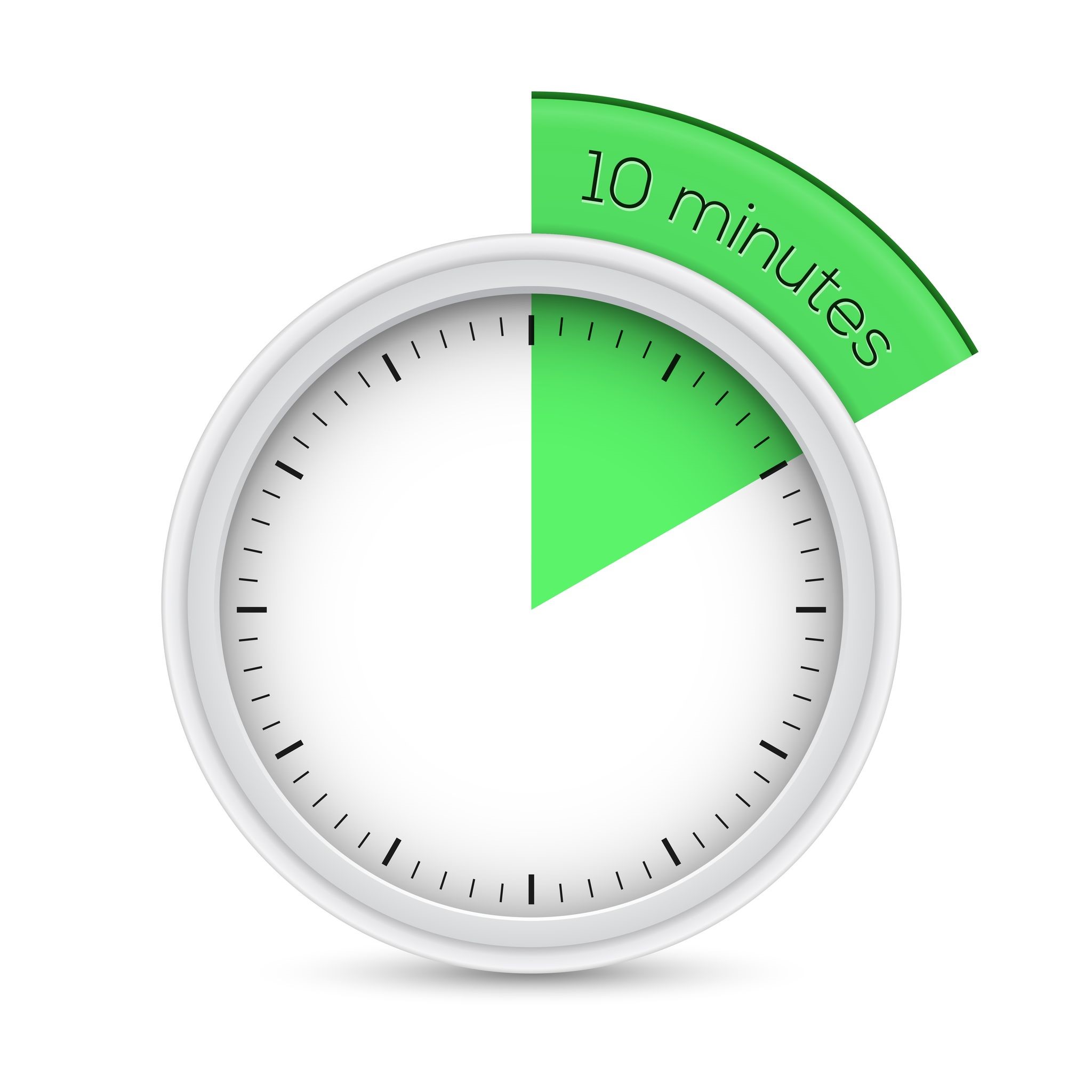
Here is my secret for winning the battle over the head trash that keeps getting in way of your workouts. Tell yourself that you are only going to exercise for 10 minutes and evaluate if you want to continue. If you're truly too tired you can stop after 10 minutes. If you're truly too busy you can stop and move onto a task that needs your attention.

Making this deal with your mind that you are only going to exercise for 10 minutes seems reasonable. The head trash will become quite because your mind is convinced it has an out within 10 minutes.

I've used this 10-minute trick myself. I grind through the first few minutes, but then the magic happens. Once you hit the 10-minute mark your body takes over. Exercise feels amazing and your body is energized and enjoying the movement. You have tricked your mind to get over the hurdle of starting and now you’re in the exercise groove.

Try the 10-minute trick next time your head trash is getting in the way of your workout. You'll be amazed how your workout consistency improves.

All posts by william-davis

The processed food battlefield

If you have any remaining doubts that the processed food industry is a cutthroat, go-for-the-jugular, organized effort to extract every possible penny from your pocket, even at the expense of health, take a gander at a quote from Marion Nestle's wonderful book, Food Politics.

In Nestle's description on how food conglomerate, Archer Daniels Midland (ADM), conspired to fix prices on some basic agricultural compounds, she quotes an ADM executive captured on videotape and presented in court:

"We have a saying at this company . . . our competitors are our friends and our customers are our enemies."

In other words, ADM's competitors help establish what prices should be charged for basic foodstuffs, while its customers are the ones to do battle with.

Food is a necessary commodity. You and I only need so much of it. So how does a 40 billion dollar food manufacturer extract greater and greater profits and grow their market? Motivate people to eat more. It's that simple.

Eat less? Are you kidding? Eat spinach, green peppers, beets, and other low-margin products? Get real.

Why not take 8 cents worth of wheat flour, add some sugar, food coloring, and some other enticing flavorings like high fructose corn syrup? Put it all in a cleverly illustrated package, maybe even develop an entire story line about the product, complete with clever slogans and songs and . . . ouila! You now have a food that sells for many, many times its intrinsic value.

How to make the health nuts happy? Easy: Add some fiber. Now it's healthy! And it's now part of a "balanced diet".

What if it's full of corn starch, wheat flour, and sugar of the sort that make HDL cholesterols plummet, fan the flames of small LDL, increase inflammatory measures like C-reactive protein, push people closer and closer to diabetes, and make them fat? Then be sure it's low in saturated fat! It might even qualify as "Heart Healthy" by the American Heart Association!

Processed foods have no role in the Track Your Plaque program. If you want to see your CT heart scan score skyrocket, go to your grocery store and stray into the aisles outside of the produce aisle.

But stick to the produce aisle and watch your wallet grow, your health improve, your appetite shrink, all while food processor profits plummet.

Heart Scan debate

A few years back when the book form of Track Your Plaque was first released, I did a bunch of radio and interviews to raise awareness of the book and of CT heart scanning in general.

I'd forgotten about this interview I did for National Public Radio (NPR), in which I debate Dr. Graboys from Harvard. Though I've had this debate countless other times, usually on a less formal basis, I didn't know what to expect at the start of the interview. After all, I knew of Dr. Graboys' reputation as a respected Harvard cardiologist. So I was expecting that at least he would argue that, being relatively new at the time, CT heart scanning was largely unproven in large clinical trials. (This was not entirely true then, however, as at least 1000 trials had already been performed, many of them involving thousands of participants. However, despite that much validation, the concept of CT heart scanning had still not entered the consciousness of most practicing physicians. After all, heart scanning is not part of the "crash and repair" equation that most have invested their career in.)

Heart Hawk re-discovered the debate, still on the NPR website. So here it is. When I re-listened to the debate, I was surprised at how little Dr. Graboys had to offer. He argues that examining left ventricular function should suffice as an important measure of mortality. In other words, if you have experienced a drop in the strength of heart muscle, that can be used to stratify your risk of death.

I tried to convey to the audience (NOT convince Dr. Graboys to believe, as most of my colleagues are stubbornly adherent to their way of thinking until someone tosses a big carrot in front of them) that CT heart scanning provides a means to detect coronary atherosclerosis years, even decades, before questions of mortality (death) became necessary. Heart scanning identifies disease in its early stages so that a program of prevention can be followed and tracked.

Dr. Graboys expressed concern that heart scanning devices could be mis-used to increase hospital procedures. He's absolutely right here. By that same line of thinking, say your crooked auto mechanic on the corner scams most of his customers by doing unnecessary car repairs. Does this mean that we should ban all auto mechanics from repairing cars? I hope not. I believe it does mean that we should all be educated on distinguishing scams from an honest businessman.

Same with heart scans. The key is not to ban heart scanning. We should try to educate the public and physicians to prevent these sorts of scams and decisions based on ignorance from occurring.

Nonetheless, make your own judgments.


CLICK HERE to listen (this is a .ram file so you will need the free RealPlayer to play)

Break the addiction

"But, doc, I can't lose my cereal! Pretzels--you've got to be kidding me! I eat 'em every night! I can't do it. I'll be hungry all the time!"

This is a discussion I have every day. The usual suspect: A 50-some year old with HDL in the 30s or 40s, small LDL, borderline high blood sugar approaching the pre-diabetic cut-off, highish blood pressure, excess tummy. They usually struggle with energy, feelings of sleepiness, use lots of caffeine to stay alert even in the middle of the day after a sufficient night's sleep.

Not as obvious as the tremulous, pinopint-pupil drug addict, but I recognize it nonetheless: The processed food addict.

Breaking this addiction can be as difficult for some people as breaking a smoking addiction. Instead of nicotine cravings, they get insatiable hunger. Just 3 or 4 hours without their processed food "fix," and they are ravenous to satiate their impulse. Most give in and go right back to the vicious cycle.

But break the cycle--eliminate processed foods like breakfast cereals, whole wheat crackers, pretzels, cookies, granola bars, fruit drinks, low-fat salad dressings, bran muffins . . .70+% of the foods in your supermarket---and you will make an interesting discovery:

You no longer crave these foods.

Just think about it: The addictive properties of processed foods are a food manufacturer's dream. What other product besides cigarettes has an addictive quality that ensures you come back for more... and more and more.

It it just too creepy that much of the processed food industry is, in reality, owned by the tobacco industry (Altria, previously known as Phillip Morris) and RJ Reynolds. Perhaps that is the modus operandi of these corporations: Identify products that have an edge, foods or other products that possess an addictive quality. This is not true of cucumbers, for instance. What a lousy investment a cucumber grower would make!

Be smarter than Phillip Morris. Outsmart the people looking to empty your pocket and corrupt your health. Break the addiction.

Hang around the produce aisle of your grocery and use the farmer's market or your local equivalent. Look for locally grown foods. Try to keep your food as unprocessed as possible.

You will be impressed with the results.

Are we done here?

Les' doctor consulted me because his CT heart scan score had increased 40% from 893 to 1259 over 18 months.

Judging by his appearance, Les was a 59-year old guy trapped somewhere in the 1980s. The only reason he'd undergone two heart scans was from the prompting of his wife, who was quite savvy.

Among the steps we took was to have Les undergo a stress test. I explained to Les and his wife that stress tests are effective tests of coronary blood flow, but not of plaque. Therefore, there was somewhere around a 25-35% likelihood of an abnormality that suggested poor flow in one or more portions of the heart.

Les passed his stress test easily. A bricklayer, Les was accustomed to heavy physical effort. "Are we done here, doc?" Les asked. Les' wife raised her eyebrows but, to her credit, kept quiet. She'd obviously been here before.

I explained to Les that having normal coronary blood flow was just one aspect of the issue.

"But I don't need a stent, right? I don't need a bypass. I already take Vytorin. So I need a cheeseburger once in a while. So what! Who doesn't? What else is there?"

I continued. "Les, with a normal stress test, there's no denying you still have lots of plaque in your heart's arteries. The risk to you is that one of these plaques will 'rupture,' sort of like a little volcano erupting. Of course, it's not lava that flies out, but the internal contents of plaque. When that happens and the contents of plaque get exposed to blood flowing by, a blood clot forms. That's a heart attack.

"With a 40% increase in your score over 18 months, you are, in fact, at substantial risk for such a plaque rupture. Unless you're fond of hospitals and the thought of heart procedures, then we need to address that part of the issue."

So it went. Step by step, with the quiet, strong support of Les' wife, we uncovered 7 additional causes of his heart disease. It wasn't the easiest process for us, but we did manage to educate Les on the simple steps he needed to take to 1) correct the causes of his coronary plaque, 2) how to use foods and stop fanning the flames of his plaque, and 3) how to live with this nasty specter hanging over him.

Now, if we could only transform Les into an optimist . . .

Wheat belly

You've heard of "beer bellies," the protuberant, sagging abdomen of someone who drinks excessive quantities of beer.

How about "wheat belly"?

That's the same protuberant, sagging abdomen that develops when you overindulge in processed wheat products like pretzels, crackers, breads, waffles, pancakes, breakfast cereals and pasta.


(By the way, this image, borrowed from the wonderful people at Wikipedia, is that of a teenager, who supplied a photo of himself.)

It represents the excessive visceral fat that laces the intestines and triggers a drop in HDL, rise in triglycerides, inflames small LDL particles, C-reactive protein, raises blood sugar, raises blood pressure, creates poor insulin responsiveness, etc.

How common is it? Just look around you and you'll quickly recognize it in dozens or hundreds of people in the next few minutes. It's everywhere.

Wheat bellies are created and propagated by the sea of mis-information that is delivered to your door every day by food manufacturers. It's the same campaign of mis-information that caused the wife of a patient of mine who was in the hospital (one of my rare hospitalizations) to balk in disbelief when I told her that her husband's 18 lb weight gain over the past 6 months was due to the Shredded Wheat Cereal for breakfast, turkey sandwiches for lunch, and whole wheat pasta for dinner.

"But that's what they told us to eat after Dan left the hospital after his last stent!"

Dan, at 260 lbs with a typical wheat belly, had small LDL, low HDL, high triglycerides, etc.

I hold the food companies responsible for this state of affairs, selling foods that are clearly causing enormous weight gain nationwide. Unfortunately, the idiocy that emits from Nabisco, Kraft, and Post (AKA Philip Morris); General Mills; Kelloggs; and their kind is aided and abetted by organizations like the American Heart Association, with the AHA stamp of approval on Cocoa Puffs, Cookie Crisp Cereal, and Berry Kix; and the American Diabetes Association, whose number one corporate sponsor is Cadbury Schweppes, the biggest soft drink and candy manufacturer in the world.

As I've said many times before, if you don't believe it, try this experiment: Eliminate all forms of wheat for a 4 week period--no breakfast cereals, no breads of any sort, no pasta, no crackers, no pretzels, etc. Instead, increase your vegetables, healthy oils, lean proteins (raw nuts, seeds, lean red meats, chicken, fish, turkey, eggs, Egg Beaters, low-fat yogurt and cottage cheese), fruits. Of course, avoid fruit drinks, candy, and other garbage foods, even if they're wheat-free.

Most people will report that a cloud has been lifted from their brains. Thinking is clearer, you have more energy, you don't poop out in the afternoon, you sleep more deeply, some rashes disappear. You will also notice that hunger ratchets down substantially. Most people lose the insatiable hunger pangs that occur 2-3 hours after a wheat-containing meal. Instead, hunger is a soft signal that gently prods you that it's time to consider eating again.

You will also make considerable gains towards gaining control over your risk for heart disease and your heart scan score, a crucial step in the Track Your Plaque program.

If health won't motivate them, maybe money will

As part of our ongoing effort to educate everyone about the value of heart scans and how they can serve to start a program of heart disease prevention (or elimination), we occasionally distribute press releases on one facet of this discussion or another.

Here's the one we released on our Cost Calculator, the one we developed that showed that $20 billion would be saved annually just by applying the program to men, ages 40-59.


Accurate Detection and Prevention of Heart Disease Can Reduce Healthcare Costs, According to New Cost Analysis

A new cost analysis developed by cardiologist Dr. William Davis and his colleagues suggests that healthcare costs can be reduced by billions of dollars with the application of a simple program for heart disease detection and prevention.

Milwaukee, WI (PRWEB) July 23, 2007 -- Billions of dollars in healthcare could be saved every year by applying a simple program of heart disease detection and prevention on a wide scale in the U.S., suggests a new cost analysis developed by cardiologist Dr. William Davis and colleagues. Davis and his colleagues are the developers of the Track Your Plaque program for heart disease detection and prevention.

In the next 24 hours, 10,000 major heart procedures will be performed in hospitals across the U.S. The tab for this bill will top $400 billion in 2007 alone, nearly twice the sum spent on the war on cancer.

As costs escalate at an alarming rate, tools for prevention of disease are also advancing. While drugs like Lipitor® make headlines and dominate direct-to-consumer TV ads, a quiet revolution is taking place among physicians and the public eager to find better answers, some of which also pose opportunities for stretching the healthcare dollar.

“We’re essentially throwing away billions of dollars each and every year by ignoring the savings power of preventive strategies for heart disease,” proclaims Davis, a Milwaukee cardiologist. Davis is author of several books on heart disease detection and prevention, has been a vocal advocate for preventive strategies and is founder of www.cureality.com.

Davis and his colleagues developed a cost model to predict how much money could be saved by the adoption of new preventive strategies on a broad scale in the U.S. “The cost savings are startling. If males in the 40–59-year-old age group, for instance, were to undergo a simple CT heart scan for early detection of coronary heart disease, followed by a purposeful yet focused program of prevention using widely available tools, our cost model shows that we would save the American public over $20 billion annually. Extending this calculation to the broader population would multiply savings several-fold.”

Heart care is already the single largest healthcare category in the U.S. As costs go up by double-digit percentages, fewer people can afford healthcare. Those who can afford it spend an increasingly greater portion of their disposable income to maintain it. The Agency for Healthcare Research and Quality predicts that, at the current rate of growth, healthcare costs will balloon to absorb 20 percent of American Gross Domestic Product (GDP), about $4 trillion, in the next 10 years.

Davis points out that reducing the annual U.S. expenditure for heart disease by 20 to 30 percent could save between $80 and $120 billion each year. That marginal savings exceeds the sum the U.S. spends on the domestic war on terror.

Davis and his group have dubbed the conventional procedure-based approach to heart disease management the “crash and repair model” because of its focus on urgent procedural intervention that takes place in hospitals.

The crash and repair model is costly. According to the American Heart Association, a heart catheterization (performed 3,553 times per day, seven days a week) costs an average of $24,893; a coronary bypass operation (performed 1,170 times every day, seven days a week) costs an average of $67,823 (hospital costs, 2004, the latest year for which data are available). These figures don’t incorporate long-term costs incurred in the years following the procedure or time lost from work.

The relatively high payment to physicians and hospitals for performing high-tech heart procedures provides a disincentive to redirect patients to a less costly prevention model. The exceptional costs of high-tech, high-ticket heart procedures would become increasingly unnecessary if better heart disease preventive practices were delivered on a broad scale. “Like seatbelts, preventive measures for heart disease are more cost effective and extract a far lower toll in human suffering than the ‘crash and repair’ approach. Our cost calculations bear out the enormous savings possible. In fact, all of the tools necessary to deliver a method of early heart disease detection and prevention are already available throughout the U.S. We’ve just got to encourage physicians and the public to take advantage of them.”

The cost calculator program can be found at http://cureality.com/library/fl_hh005bankrupt.asp on the cureality.com Web site.

Track Your Plaque is an informational and educational Web site devoted to showing people how CT heart scans can be used as a starting point for a program of heart disease prevention and reversal.

What role calcium supplements?

A frequent question in the Track Your Plaque program is whether taking calcium supplements to reduce risk for osteoporosis adds to calcium in arteries and raises CT heart scan scores.

No, calcium supplementation does not add to coronary calcium. Thankfully, there is some wisdom to calcium metabolism. Calcium deposition or resorption is under independent local control in bone, as it is in the artery wall. Taking calcium has no effect on calcium deposition in your coronary arteries.

However, there's a lot more to it. Taking calcium has only a modest effect on bone health. Most women can only hope to slow or stop calcium loss from bone by taking calcium supplements. Calcium supplements do not increase bone calcium. The reason why calcium supplementation works at all is, when calcium is absorbed into the blood, it provides a feedback signal to the parathyroid gland to shut down parathyroid hormone production, the hormone responsible for extracting calcium from bone. But the calcium itself does not end up deposited in bone.

Likewise, calcium supplements have essentially no effect on the artery wall. But vitamin D controls calcium absorption and, curiously, appears to exert a dramatic effect on calcium depostion in coronary arteries. In fact, I would credit vitamin D as among the most important factors in regulating arterial health that I've encountered in a long time.

Thus, bone health and arterial health do indeed intersect via calcium, but not through calcium supplements. Instead, the control exerted by vitamin D connects the seemingly unconnected processes.

Vitamin K2 provides another unexpected juxtaposition of the two processes. Deficiency of K2, which is proving to be a lot more common than previously thought, permits an enzyme in bone to exert unrestrained calcium extraction. Deficiency of K2 in artery walls allow another enzyme to deposit calcium and grow plaque without restraint. Yet another intersection between bone health and coronary health that involves calcium, but as a passive participant.

Stay tuned for a comprehensive Track Your Plaque Special Report on these topics coming in the next couple of weeks. I'm very excited about the emerging appreciation of calcium as an active ingredient in plaque, not a dumb, passive marker as previously thought. Vitamins D3 and K2 are among the keys to this phenomenon.

"Heart scans" are not always heart scans

Beware of the media reports now being issued that warn that "CT heart scans" pose a risk for cancer.

One report can be viewed at
http://www.webmd.com/cancer/news/20070717/ct-heart-scan-radiation-cancer-risk.

This was triggered by a Columbia University study of risk for cancer based on the dose of radiation used in CT coronary angiograms. Theoretically, exposure to the radiation dose of CT coronary angiography can raise risk for cancer by 1 in 143 women if radiated in their 20s just from that single exposure.

If you've been following the Track Your Plaque discussion, as well as my diatribes in the Heart Scan Blog, you know that the media got it all wrong. The "heart scans" they are referring to are not the same as the heart scans that we discuss for the Track Your Plaque program.

A conventional heart scan (of the sort we refer to) exposes the recipient to 4 chest x-rays of radiation if an EBT device is used, around 8-10 chest x-rays of radiation if a 64-slice CT scanner is used. For the quality of information we obtain from these screening heart scans, we feel that it's an acceptable exposure.

The "heart scan" this study and subsequent reports refer to is not truly a screening heart scan, but a CT coronary angiogram, or CTA. CTAs are performed on the same CT or EBT devices, but involve far more radiation. CTA exposes the recipient to about 100 chest x-rays of radiation on a 64-slice device (more or less, depending on the way it is performed.) Just a couple of years ago, some centers were performing CTA on 16-slice devices, a practice I and the Track Your Plaque program vocally opposed, since up to 400 chest-rays of radiation were required! I even called a number of centers advising them that they were putting the public in jeopardy. CTAs also require injection of x-ray dye, just like any conventional angiogram.

CTA on 64-slice CT scanners require the same radiation exposure as a conventional heart catheterization, an issue glossed over in most conversations. In other words, the test that many of my colleageus so casually recommend poses a similar risk.

The message: the test I advocate for screening for coronary heart disease is a CT or EBT heart scan, not a CT coronary angiogram. CTA is a useful test and will get better and better as the engineers discover ways to reduce radiation exposure. But, in 2007, CTA is a diagnostic device, not a screening device. If you require an abdominal CT scan because your doctor suspects pancreatic cancer, or a CT scan of the brain because you might have a life-threatening aneurysm causing double-vision or seizures, it would be silly to not undergo the scan because of long-term and theoretical cancer risk.

But undergoing a CT coronary angiogram for screening purposes is ridiculous with present technology. I've said it before and I will say it--shout it--again:

CT coronary angiograms are not screening procedures; they are diagnostic procedures that should be taken seriously and do indeed pose measurable risk for cancer, a risk that is presently unacceptable for a screening test.

You wouldn't undergo a mammogram to screen for breast cancer if it exposed you to 100 chest x-rays of radiation, would you? Screening tests should be safe, reliable, accurate, and inexpensive. CT coronary angiography is none of these things. Genuine heart scans--the kind the Track Your Plaque program talks about and relies on--is all of those things.

Heavy traffic and heart scans

A German study just reported in Circulation showed a graded response of EBT heart scan scores and proximity to traffic.

Living 50 meters (around 150 feet) from traffic increased the likelihood of a higher coronary calcium score by 63% compared to those living 200 meters (around 600 feet or two football fields) away from traffic.

A sample news story can be found at http://healthday.com/Article.asp?AID=606431.

The German investigators speculated that either the heightened exposure to exhaust fumes and/or the increased stress triggered by the constant noise might be the culprits behind the phenomenon.

I think the study is interesting in a number of ways from the Track Your Plaque viewpoint:

--Sometimes, there are factors that extend beyond lipoproteins, vitamin D restoration, optimism vs. pessimism, etc. that influence heart scan scoring. Are these factors powerful enough to overcome the adverse effects of traffic or other environmental effects? Can your proximity to traffic make or break your heart scan score-controlling efforts? This remains to be established.

--How much of a role does the stress issue play? Is this just a variation of the optimism vs. pessimism theme? I know when I'm in traffic in a car or on a bicycle, it often feels like I am at the mercy of hordes of people in a hurry, the soccer Moms on cell phones, applying makeup and eating, the hormonal teenager, the occasional drunk. Living in the midst of it must be demoralizing, a sense that you are lost in a sea of uncaring humanity stripped of individuality. When I look outside my den window right now, I see the lawn that I cut and water and the flowers and evergreen trees I've planted over the years. It provides a sense of life, belonging, and earth. What if instead I saw anonymous cars buzzing by, dozens of unfamiliar faces every minute, none of which plays any palpable role in my life?

--This simple observation will add to the healthy-consciousness and Green movements, since it is just one more piece of evidence that congestion and urbanization do indeed take their toll. In an obtuse way, I think this is one step closer to increasing disillusionment over the "over-processing" of human experience: processed foods, depersonalization and alienation in neighborhoods and homes, the dissolution of the American family.

Lastly, notice how the conversation about CT (in this case, EBT) heart scanning has seamlessly worked its way into conversation? Just ten years ago, a long-winded explanation would have been required in press reports on just what CT heart scanning was. Now, the information is presented and--well, we all know what heart scanning is, right?

A small study but one that comes at an important time. Good things will come from this one study. It will work its way into discussions about where to locate schools, how to situate homes in relation to heavy traffic, it will help "legitimize" this wonderful tool called heart scanning. How many medical tests beyond blood work can be easily performed in 4500 study participants?

I always like to take some simple observation and see how it fits into developing trends. Few studies or other human-generated experiences by themselves change the world. Instead, it happens in little incremental bits and pieces.

Digging for the truth

I remain continually amazed how difficult it can be to gain an understanding of what is true and what is not true. I am particularly worried about the messages provided by agencies that stand to make enormous gains by persuading us to believe their version of the "truth".

For a moment, let's strip away the charitable covers of some financially-motivated organizations and see what they really look like:


Hospitals: The dream of hospitals is to shift the proportion of patients towards those with the most profitable diseases in well-insured patients. Heart disease is among the best paying diseases. HOSPITALS WANT YOU TO HAVE HEART DISEASE.

Doctors: Many (though not all) want to deal with diseases that pay well. Implanting a stent can pay several thousand dollars. Putting in a defibrillator can likewise pay handsomely, even better than stents. DOCTORS WANT TO STEER YOU TOWARDS PROCEDURES THAT REIMBURSE GENEROUSLY. Talk is cheap and pays poorly. Heart scans? Useless, since they're cheap. CT angiography? Now we're talking! $1800 dollars is a lot more interesting than $200 or so for a simple heart scan. CT angiograms also lead to catheterization, stents, hospitalizations.

Drug manufacturers: The holy grail for drug manufacturers is a chronic condition that is present in large numbers of people. An antibiotic, for instance, is a drug manufacturers waste of time: Short courses of treatment in relatively few people. Cholesterol drugs, blood pressure drugs, drugs to modify personality or some aspect of behavior--these you take for years, decades, or a lifetime, and millions are persuaded they need them. DRUG COMPANIES WANT CHRONIC CONDITIONS (WHETHER OR NOT THEY'RE DISEASES) IN PEOPLE WHO SURVIVE FOR A LONG TIME, NOT SICK PEOPLE.

Supplement manufacturers: What don't we need in the eyes of sellers of nutritional supplement? While a program like Track Your Plaque makes liberal use of supplements in a focused and, I believe, rational way, supplement sellers want you to take dozens or preparations of dubious value: milk thistle, hawthorne, ribose, hoodia, silymarin, hydroxycitric acid . . . Unlike the larger ambitions and bigger money of the pharmaceutical industry, the supplement industry is often driven by the momentary craze and the quick payoff. THE SUPPLEMENT INDUSTRY IS LOOKING FOR SUCKERS.

Food manufacturers: The holy grail for the food industry are foods that have high markups, are convenient (e.g., eaten right out of the box or package), and are purchased repeatedly. Even better, if a health claim can be added, it can ride the current wave of the public's health consciousness. Thus, Cocoa Puffs can be labeled "Heart Healthy". How about foods that have addictive potential and virtually ensure repeat sales? Eat some and you want more within 2-4 hours! As nutritionist Marion Nestle says, the mantra of the foods industry is "Eat More". It is my firm conviction that the epidemic of obesity in the U.S. is not due to laziness, video games, and computers. It is the fault of food manufacturers. FOOD MANUFACTURERS WANT US FAT AND HUNGRY AND WANT US TO STAY THAT WAY. What pays better, a 110 lb vegetarian woman who shops at the farmer's market and buys locally produced foods, or the 260 lb glutenous and always-hungry woman who fills her supermarket shopping cart with 15 cents worth of flour and sugar priced at $4.59 (cleverly disguised as a healthy breakfast cereal), instant mixes, convenient meals, energy bars, and chips?

Government agencies: User fees for the FDA paid by drug companies have caused the FDA to be beholden to drug company pressures. The USDA, charged with crafting the food pyramid, was created to support the farm industry and distributors of their products, not to disseminate public health. The food pyramid is the watered down end result of food industry lobbying and threats, not the scientific advice of nutritionists. GOVERNMENT AGENCIES SERVE INDUSTRY FIRST, THE PUBLIC SECOND.

Health websites: Read popular websites like WebMD for information and the conversation quickly steers towards drugs. "Natural treatments for cholesterol" talks about reducing saturated fat and then gushes about the wonders of statin drugs. Guess where 80% of WebMD's revenues come from? Yup, the drug industry. The same goes for many magazines, TV shows, and other media. MEDIA IS OFTEN THE TOOL OF BIG INDUSTRY.


I'm sounding like a conspiracy theorist. I don't believe that I am, but I am skeptical of the messages we often receive from the media, advertisements, news reports, websites, etc. It's left to you and me to use our judgment and decide what is truth and what is someone's version of a message crafted towards their hidden agenda.

I am hoping that the real truth will grow through a wiki-like phenomena driven and supervised by a collective knowledge that we all contribute towards. That will happen, most likely, on the internet. Just as Wikipedia overtook the revered Encylopedia Britannica in the blink of an eye at far less cost yet with greater depth and equivalent accuracy, so will it happen in health information. I'm uncertain of the eventual form this health-wiki will take, but it will shatter many smug and deeply-entrenched powers that at present continue to profit from mis-information.